Native Plants
Swamp Milkweed
Swamp Milkweed
Butterfly Milkweed
Butterfly Milkweed
Swamp Milkweed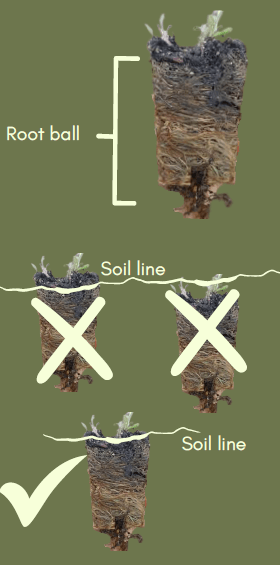
Swamp milkweed is a York County native plant. It serves as the host plant for monarch caterpillars. In summer, five-petaled flowers bloom with up to 100 flowers per cluster. The flowers provide nectar to pollinators. Milkweed gets its name from the toxic milky sap it produces when broken. Milkweed is deer and rabbit resistant. Swamp milkweed will thrive in wet/clay soil. Download brochure.
Butterfly Milkweed
Butterfly milkweed is a York County native plant. It serves as the host plant for monarch caterpillars. In summer, five-petaled flowers bloom with up to 100 flowers per cluster. The flowers provide nectar to pollinators. Milkweed gets its name from the toxic milky sap it produces when broken. Milkweed is deer and rabbit resistant. Butterfly milkweed will thrive in poor soil. Download brochure.
Planting Plugs
Handle with care! Although the root systems in plugs are strong, the plant itself is still delicate at this stage. Be gentle when removing plugs from their pots; lift and hold them from their root balls rather than their stems.
Use a trowel to estimate the depth of the hole. The hole can be slightly shallower than the root ball.
Plants may be pot-bound. Tease those roots! Don’t be afraid to damage the roots, the plant will recover, but the roots must be loosened for healthy establishment. Cut them with a trowel, a knife, or rip them with your hands.
Make sure that the plant is level with the surrounding ground. It should not be sunk below or sitting above the soil. Plants installed improperly likely will not survive. Apply a bit of pressure and fill in soil as needed to ensure good root-soil contact.
Watering Plugs
Gently water the plug at the plant's base, and check the moisture level daily -- water whenever the top inch of soil is dry. Plants need about an inch of water per week for the first season to get established. Watering in the morning is preferred if possible.
Learn how to restore biodiversity and ecosystem function with a Homegrown National Park.
Learn more about Native Plants.